
XENCE Recognized as Nagoya University Venture: Pioneering Generative Contracting Through Digital Fabrication and Unutilized Timber
Recognized as a Nagoya University Venture
XENCE Inc. has been awarded the designation of "Nagoya University venture" by Nagoya University.

XENCE is a startup aiming to build a construction business rooted in the circular economy by using parametric automated design and digital fabrication to expand the possibilities of the materials and design used in architecture.
Toward Generative Contracting in Construction
Conventional construction is characterized by fragmented multi-tiered contracting structures in which design, procurement, construction, and maintenance are siloed, driving up costs and reducing resource efficiency across the supply chain.
Generative Contracting, as advocated by XENCE, is an approach to construction process and supply chain in which clients, material suppliers, designers, and contractors are organically connected through digital technology, enabling more rational and sustainable architecture.
We aim to transform the conventional one-directional structure of ordering and construction into a new building process, one that dynamically updates the optimal solution while sharing information and data across material procurement, design, construction, and operations among clients, material suppliers, and design-build teams through digital technology.
At the Core: A Dynamic Design-Construction Platform Powered by Digital Technology
At the core of this vision is an automated and parametric design-to-construction-to-operations model built using digital tools, programming, and AI.
XENCE is developing a dynamic design platform that simultaneously visualizes not only design intent but also cost, environmental impact, material usage, and construction conditions, adjustable in real time according to project objectives.
This enables a new architectural decision-making process that handles design, performance, cost, and environmental impact simultaneously rather than in isolation.
Furthermore, by connecting digital fabrication technologies such as CNC machining and 3D printing, we are implementing an end-to-end building process that links design, production, and construction.
Case 1 | Circular Timber Greenhouse™: Making Use of Unutilized Timber
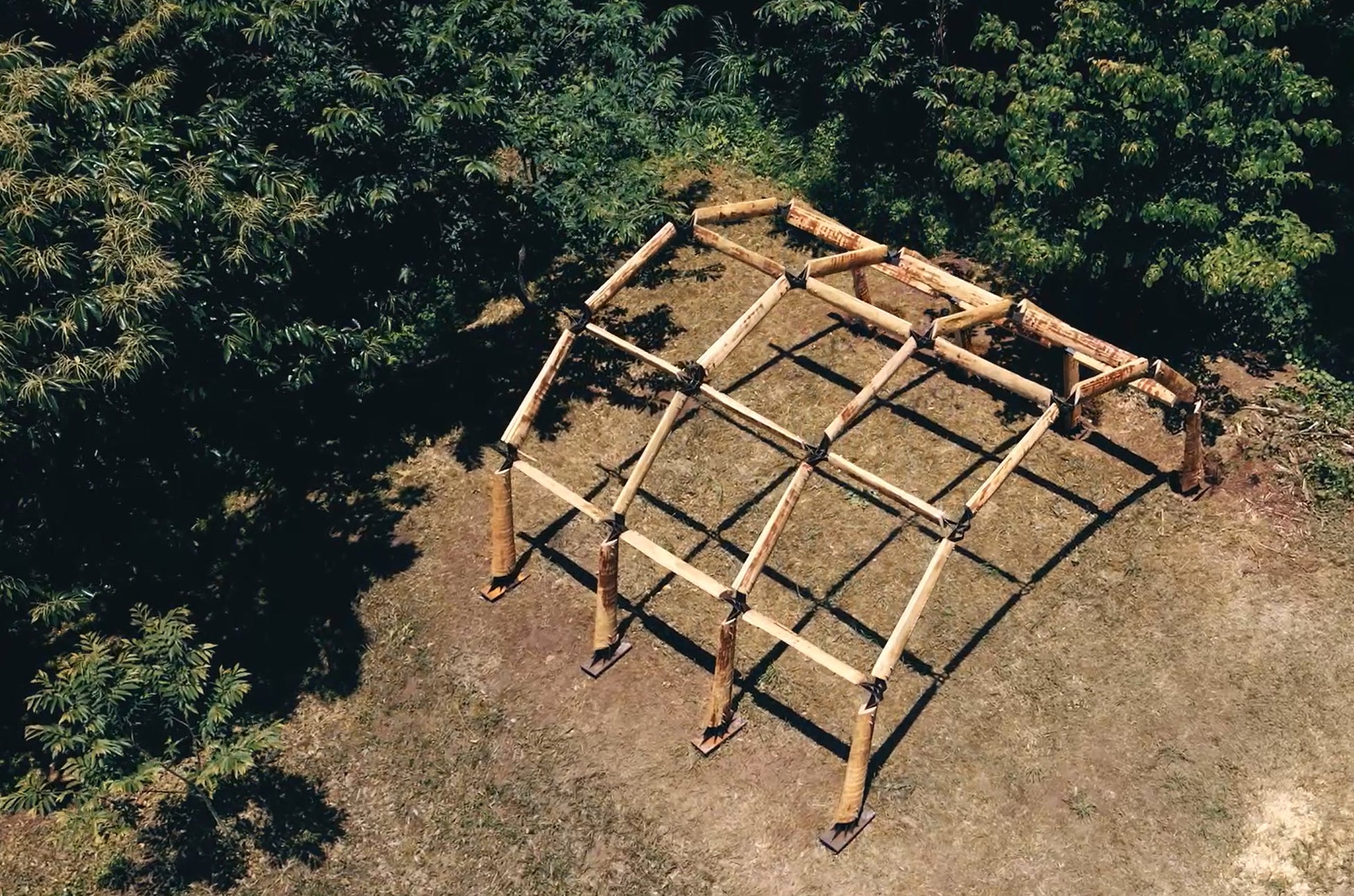
Last year, as one of these pilot projects, we released the Circular Timber Greenhouse™. The product went on to receive the Good Design Award, the Wood Design Award, and the Timber Utilization Competition award.
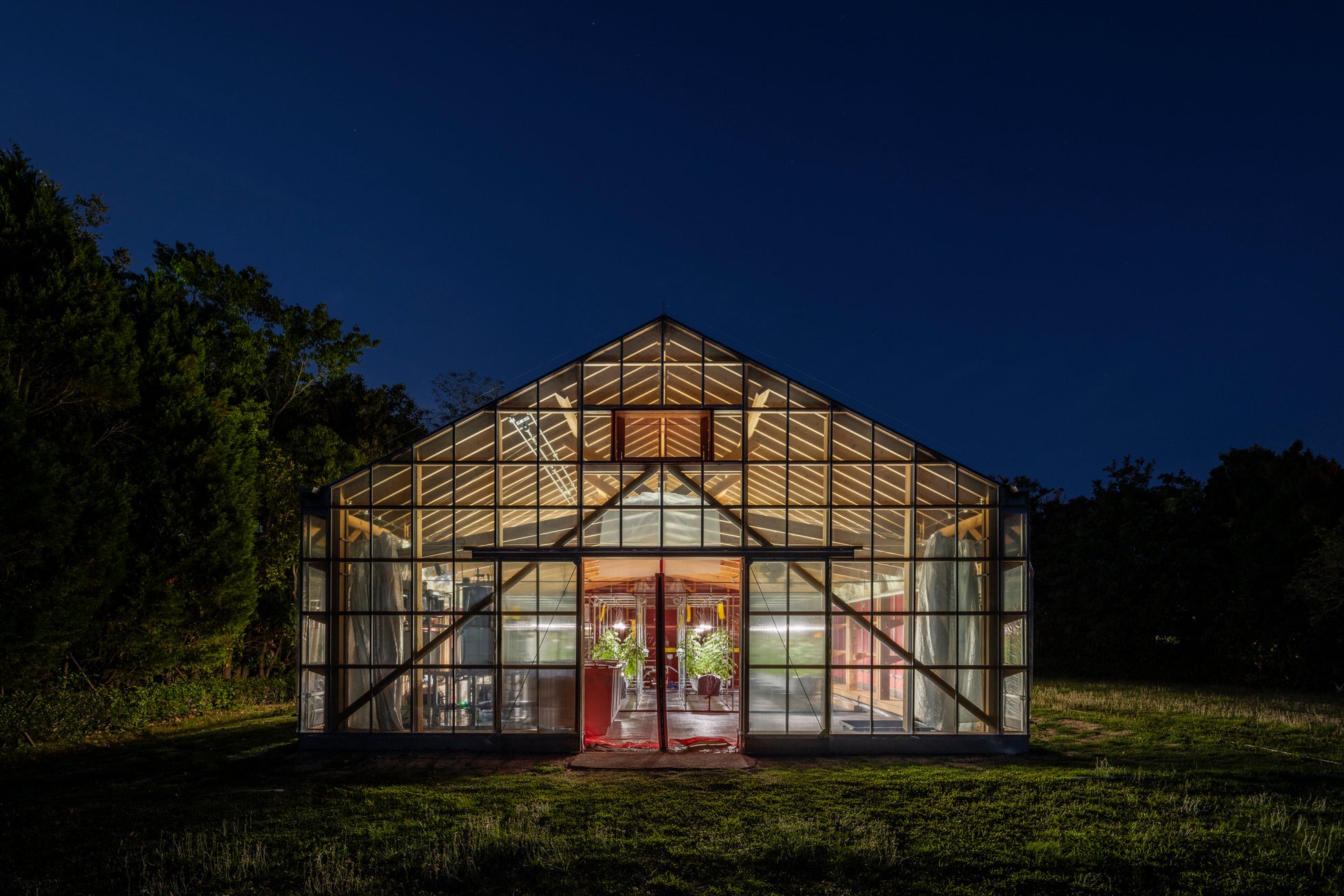
For this project, we developed timber structural modules that make it possible to use timber previously underutilized at sawmills, realizing the greenhouse. It positions unutilized timber as a new architectural resource and, while balancing performance and productivity, seeks to convert locally available resources into higher value.
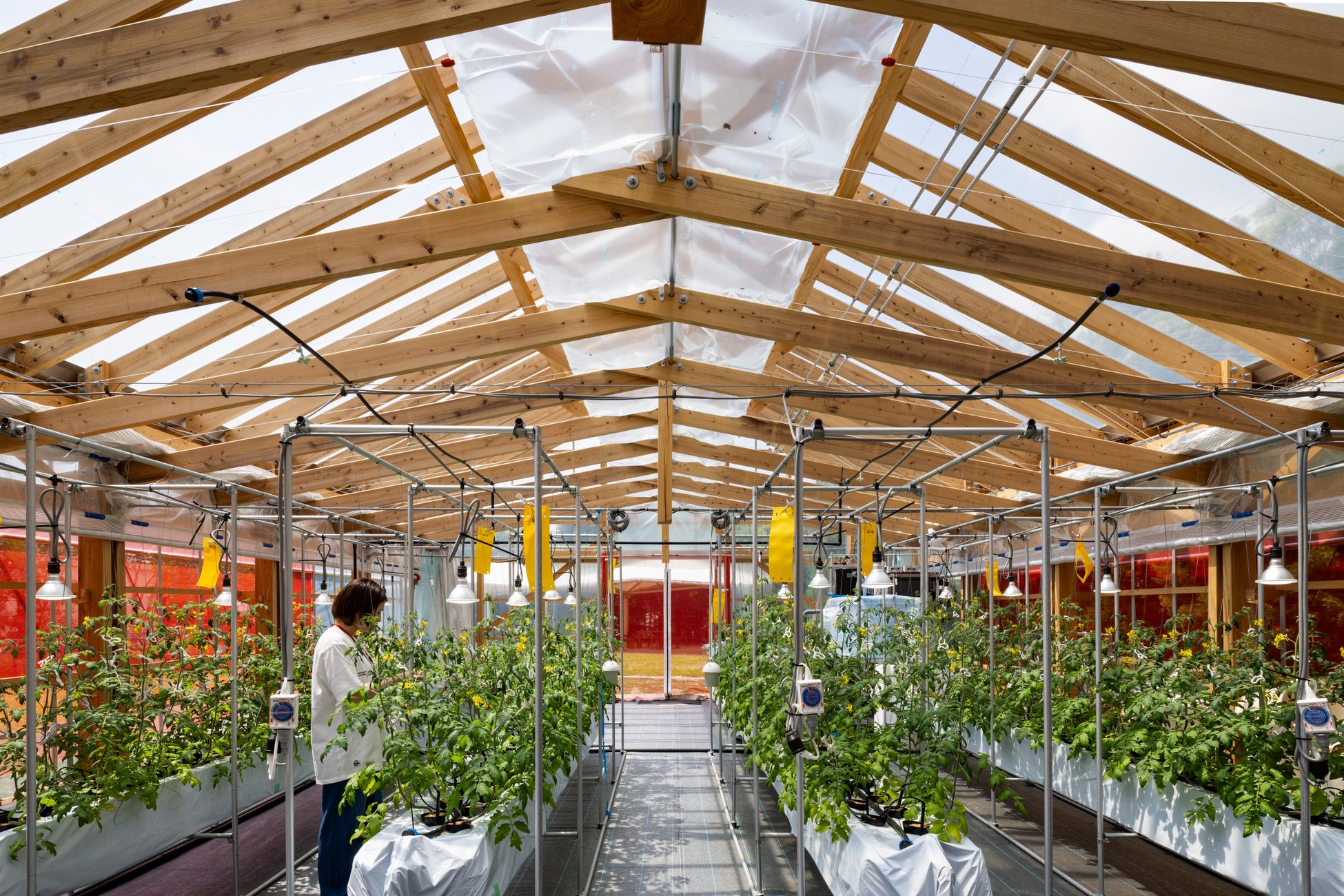
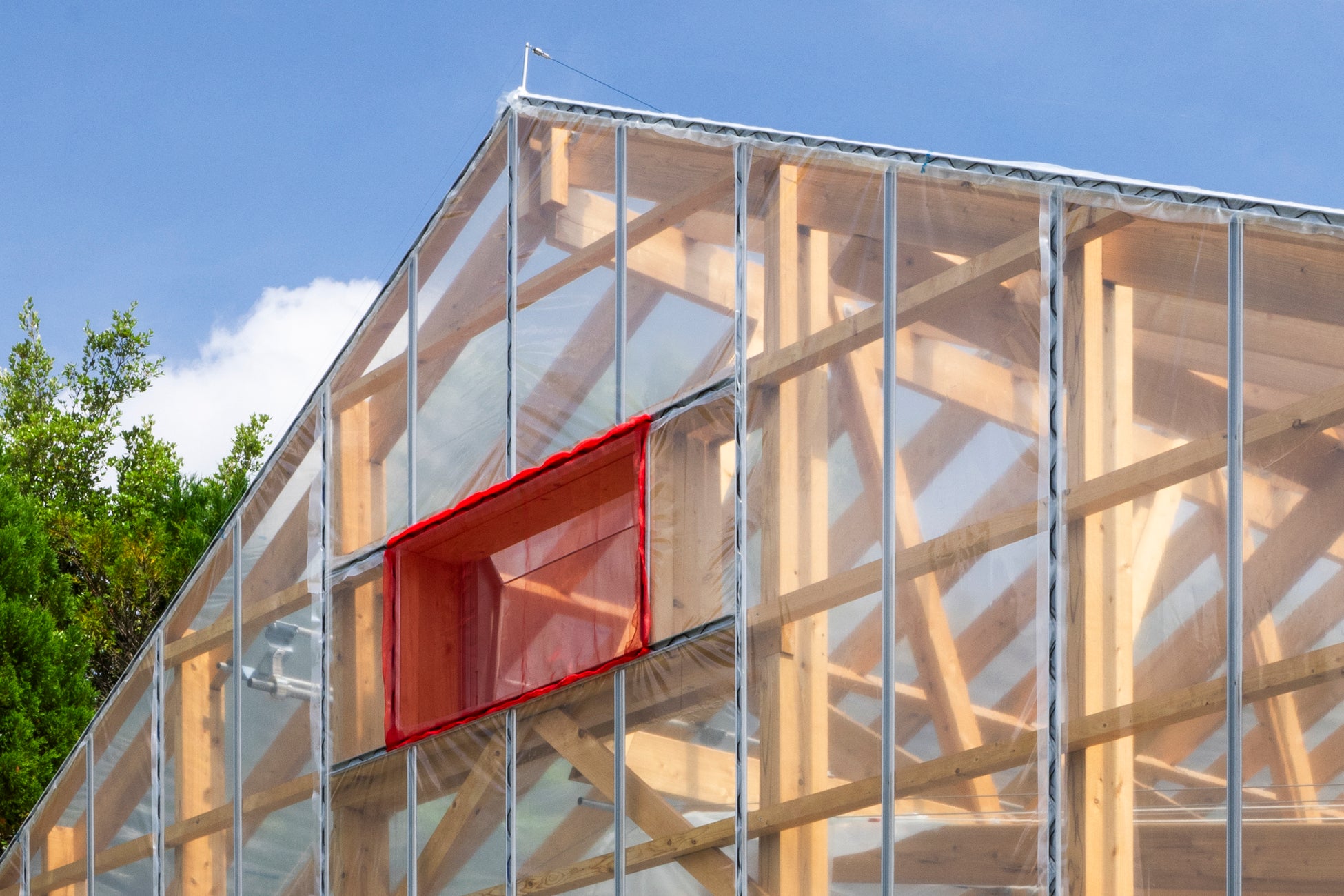
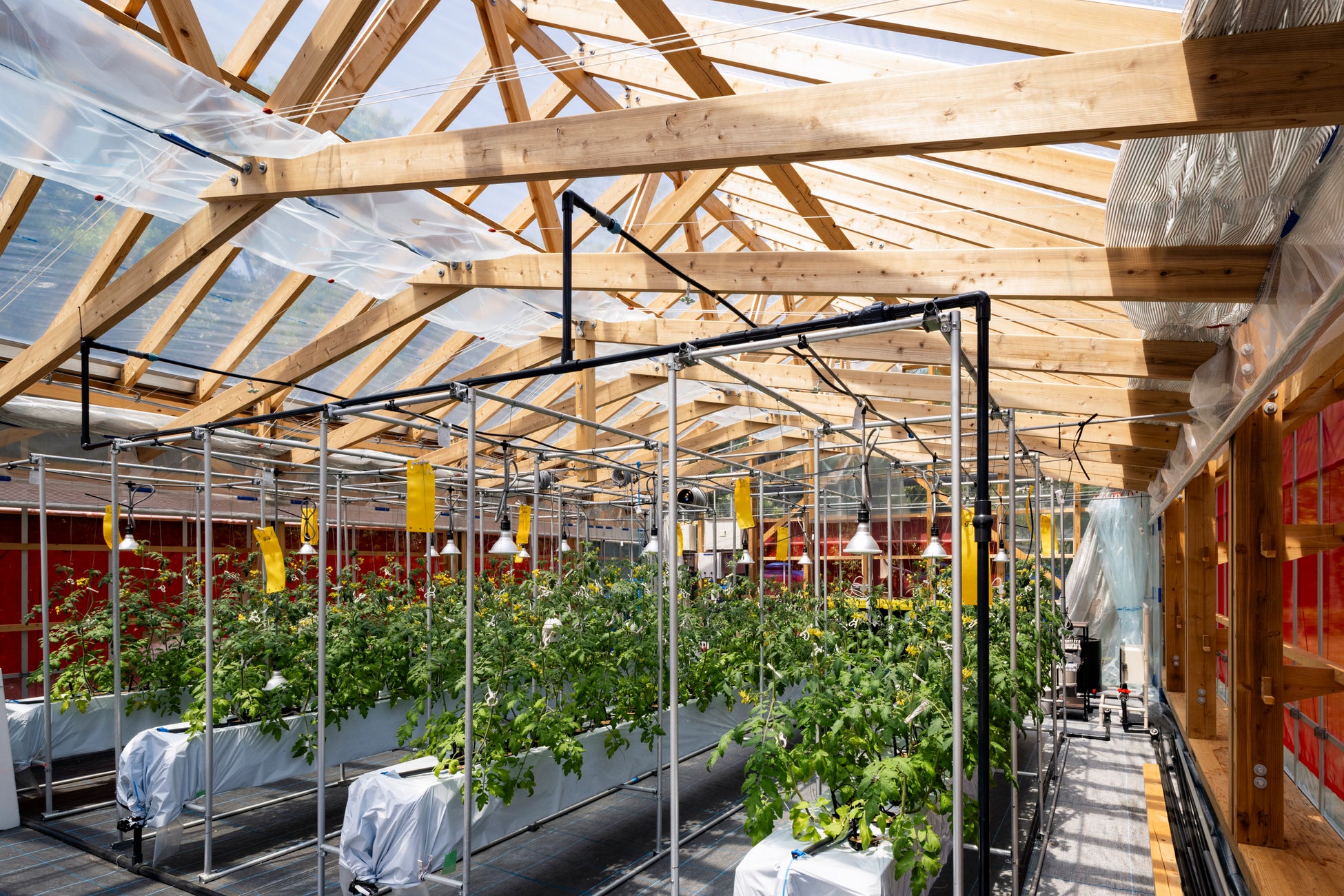
■ About the Circular Timber Greenhous|See here on the web
Case 2 | Metal 3D-Printed Joint Technology "wood x node"
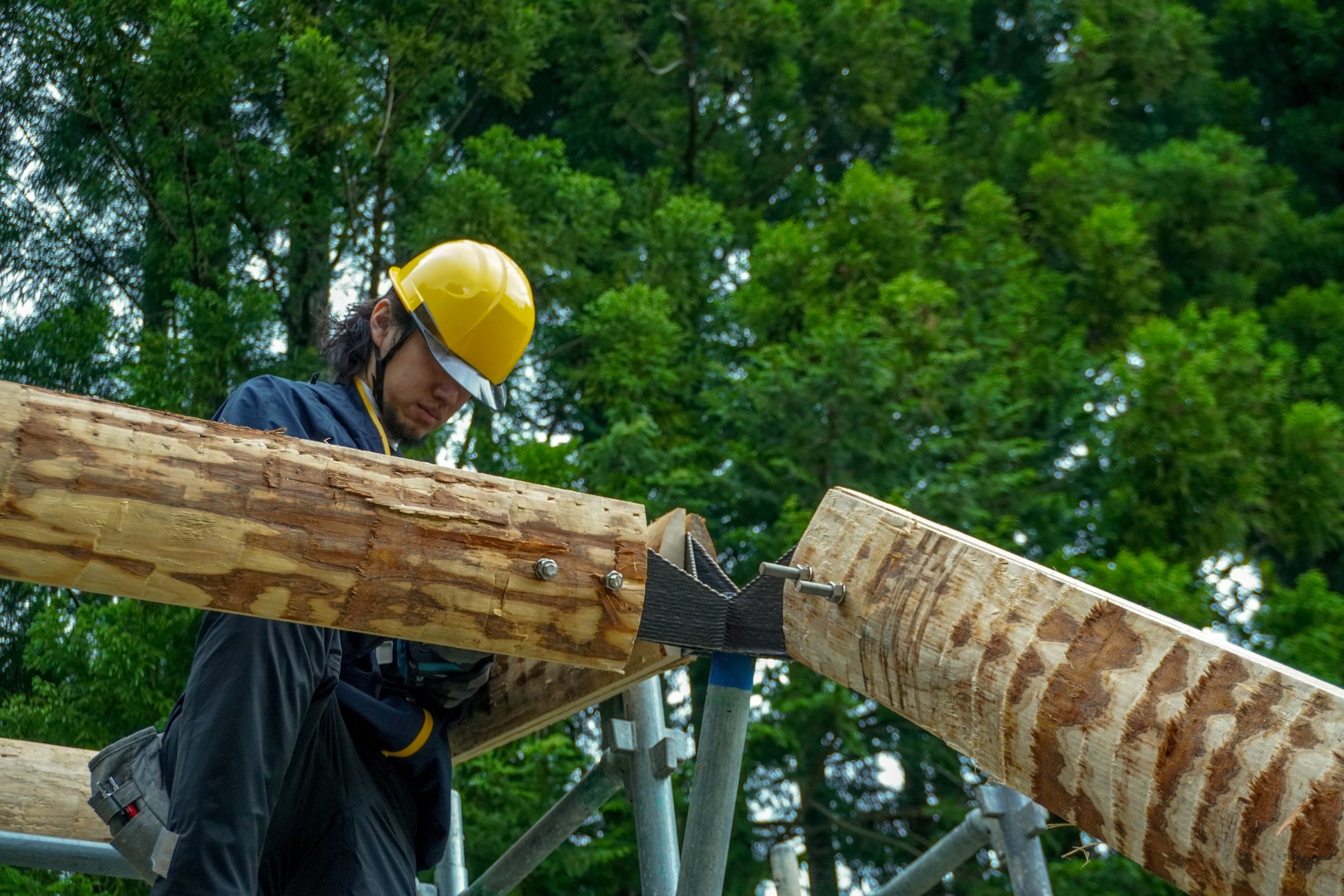
XENCE has also announced "wood x node," a joint project with Takenaka Corporation and Shimoda Flange.
The project explored the use of metal 3D printing, which pairs well with mass customization, for architectural joints, and presented new possibilities for connections that support timber structures of diverse geometries. By increasing the freedom of joints in architecture, it aims to realize timber buildings that can accommodate a wider range of shapes and conditions than before.

About Wood X Node|PR TIMES
Rising Demand, Led by Europe, for Circularity and Decarbonization in Architecture
Led by Europe, the construction sector is seeing growing regulation and market demand around the circular economy and reducing embodied carbon. As the environmental performance of buildings becomes tied to material procurement, investment decisions, and economic activity including carbon credits, the need to handle resource use and environmental impact precisely from the design stage is expected to rise further.
In response to this global trend, XENCE will advance innovations in technology and business models that optimize construction, looking beyond Japan to projects overseas.
Looking Ahead
Going forward, we plan to expand beyond the development and implementation of timber structural modules into standardized modular buildings and medium-to-large-scale timber architecture.
Beyond designing and constructing buildings, XENCE designs from the construction supply chain itself. Guided by a management philosophy of shaping the landscape of the coming era, and with an emphasis on technology and business models, we aim to build a new industrial foundation that simultaneously resolves structural inefficiency in construction and creates value from unutilized resources.
With this Nagoya University venture recognition as a catalyst, XENCE will further accelerate the interplay between R&D and real-world implementation, deploying a new system that reconnects the design, procurement, construction, and operation of architecture.

View All News